
Navigating the Shift: When Home is No Longer the Safest Place
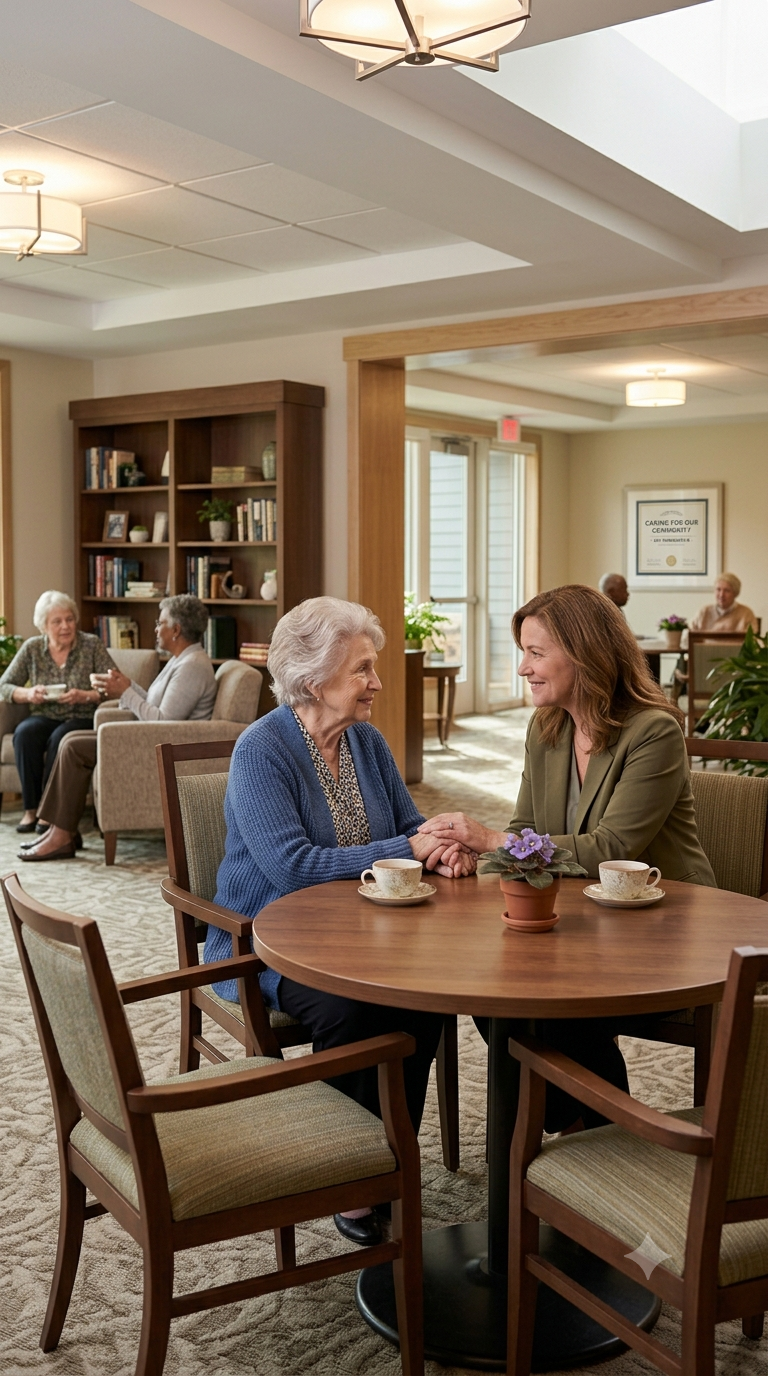
An assisted living environment addresses caregiver burnout, safety risks and cognitive changes
Deciding to move a parent or loved one into assisted living is one of the most emotional choices a family will ever face. It rarely happens overnight; instead, it is usually triggered by a combination of compounding physical, social, and functional challenges. If you are noticing subtle changes in your loved one’s daily routine, three critical pain points often signal that it may be time for a change:
1. Escalating Safety Risks and Health Concerns As physical mobility declines, a home filled with stairs, high bathtub ledges, and throw rugs transforms into a minefield. Falls become a constant worry, but safety concerns extend beyond mobility. Managing complex medication schedules often leads to missed doses or accidental double-dosing. Over time, basic activities of daily living—like bathing, dressing, and preparing meals—become painful, exhausting, or dangerous to manage alone.
2. Cognitive Changes and Household Hazards Early-to-mid stage memory loss creates hidden hazards in an independent home. Leaving a stove burning, forgetting to lock front doors, or neglecting routine maintenance can put a senior’s safety at immediate risk. Beyond physical hazards, cognitive decline severely impairs executive functioning—making tracking bills, scheduling doctor appointments, and avoiding financial scams nearly impossible without continuous oversight.
3. Isolation and Caregiver Fatigue When driving stops and mobility decreases, a senior’s world shrinks dramatically. Isolation often leads to rapid cognitive decline, depression, and poor nutrition, as cooking balanced meals feels like an overwhelming chore. Meanwhile, adult children who step in as informal caregivers quickly face severe emotional and physical burnout. When every interaction revolves around logistics and caregiving, the natural warmth of the parent-child relationship gets lost.
How Assisted Living Delivers Peace of Mind
Assisted living communities are engineered to directly resolve these exact pain points, replacing daily hazards with structured, dignified support:
24/7 Professional Safety and Medical Support: Outfitted with barrier-free floor plans, emergency response systems, and professional staff on-site, facilities eliminate everyday fall risks. Dedicated staff manage complex medication routines and assist with personal care, restoring physical health and safety.
Structured, Carefree Living: By removing the burden of home maintenance, property taxes, and meal prep, seniors gain a simplified lifestyle tailored to their current cognitive and physical abilities, backed by compassionate staff who oversee daily needs.
Vibrant Community and Restored Relationships: Daily chef-prepared meals solve nutritional neglect, while built-in social calendars, fitness classes, and communal events eliminate isolation. Most importantly, professional care allows family members to step back from being full-time caregivers and return to what matters most: simply being a loving son or daughter again.
Transitioning to assisted living isn't about giving up independence—it’s about choosing a safer, richer quality of life for your loved one and bringing peace of mind back to your family.
